Category: Music Education

  • Music terms in Shona

    I’m excited to announce that I’ve been working hard on translating some key music terms from English to Shona!

    This project is close to my heart, and I believe it will be a valuable resource for anyone interested in understanding Shona music traditions.

    Here are some examples of the terms I’ve translated so far:

    1. Scale – manera emhanzi
    2. Arpeggio -manera akataramuka emhanzi
    3. Staff – nyorero
    4. Bar – mupanda
    5. Barline – chipatsanuro chemipanda
    6. Treble Clef – Mazwi akakwira
    7. Bass Clef – mazwi akadzika
    8. Melody – Shauro
    9. Rhythm – Mafambiro
    10. Harmony -Tsinhiro
    11. Dynamics – Manzwiro
    12. Form – mamiriro
    13. Timbre – izwi
    14. Texture – maumbirwo
    15. Note Value – tsoka
    16. Semibreve – tsoka huru
    17. Minim – tsoka yepakati
    18. Crotchet – tsoka kwayo
    19. Quaver – tsoka diki
    20. Semiquaver – tsoka dikisa
    21. Rest – chinyaradzo
    22. Repeat sign – Dzokeredza
    23. End sign – Pedza
    24. Key – mhuri
    25. Major key – mhuri yekutanga
    26. Minor key -mhuri yemwana
    27. Chord – kubatana
    28. Major chord – kubatana kwevabereki
    29. Minor chord – kubatana kwevana
    30. Diminished chord – kubatana kwevavakidzani
    31. Augmented chord – kubatana kweshamwari
    32. Performance – mutambo
    33. Composition – chirukwa
    34. Song – rwiyo
    35. Songs – nziyo
    36. Music – mumhanzi
    37. Playing – kuridza
    38. Instrument – chiridzwa
    39. Instruments – zviridzwa
    40. Instrument Families – mhando dzezviridzwa
    41. Playing method – maridzirwo
    42. Chordophones – zviridzwa zvetambo
    43. Aerophones – zviridzwa zvinofuridzwa
    44. Idiophones – zviridzwa zvemiti nesimbi
    45. Membranophones – zviridzwa zvematehwe
    46. Electrophones -zviridzwa zvemagetsi
    47. Plucking – kutekenya
    48. Strumming – kukwenya
    49. Blowing – kufuridza
    50. Hitting – kurova
    51. Bowing – kupuruzira
    52. Shaking – kukuchukudza
    53. Allegro – mhanya
    54. Andante – famba
    55. Lento – famba zvinyoro
    56. Cantabile – seunoimba
    57. Musician – gwenyambira
    58. Singer – muimbi
    59. Soloist – muimbi mumwe
    60. Duet – vaimbi vaviri
    61. Trio – vaimbi vatatu
    62. Quartet – vaimbi vana
    63. Quintet – vaimbi vashanu
    64. Choir – vaimbi vazhinji
    65. Key signature – mamiriro emhuri
    66. Time signature – mafambiro enguva
    67. Dynamics – Kushongedzwa

    I’m still working on expanding this list, and I would love your help!

    If you know of any other important music terms that need translation, please comment below or send me a message directly. I’m also open to suggestions for alternative translations for the terms I’ve already listed.
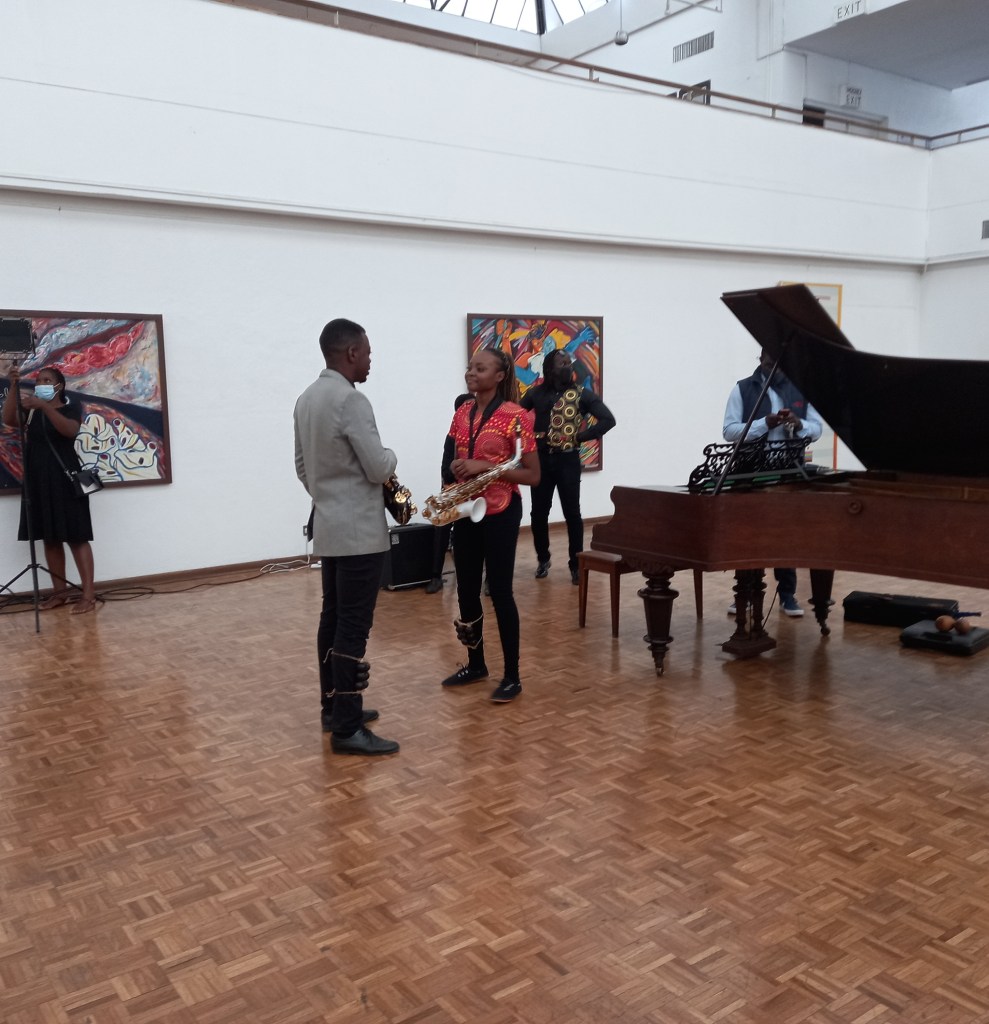
    Enjoy Shiriano, a Mbiriano song as you brainstorm.
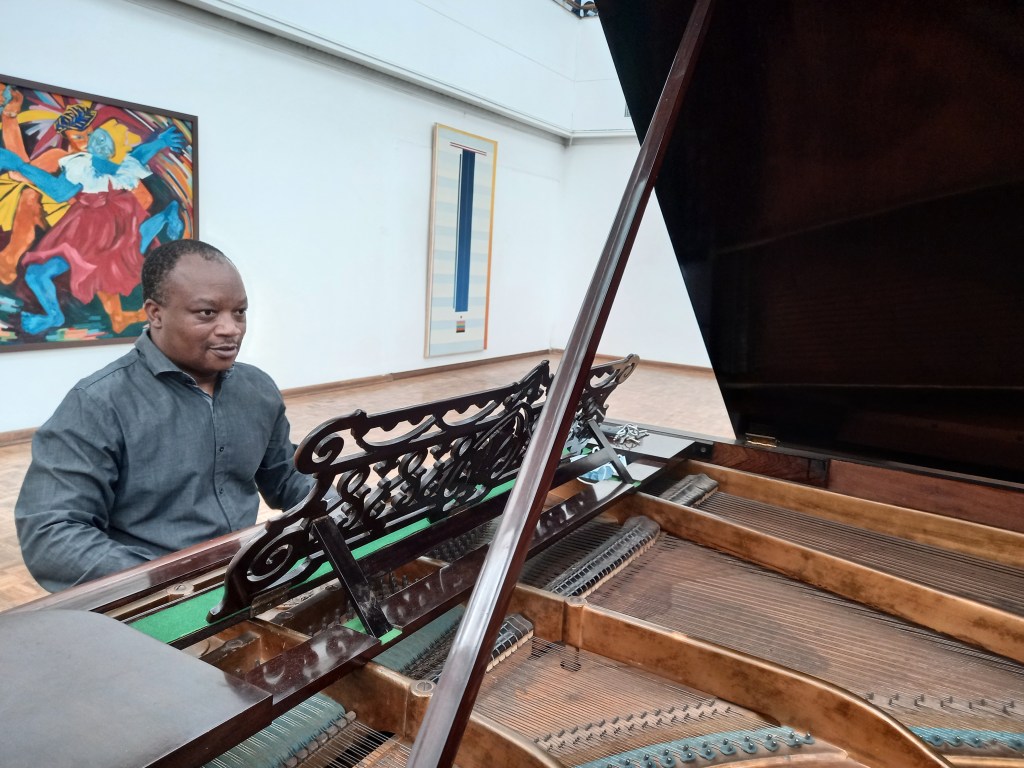
  • Introducing Form in music

    Introducing Form in music

    Introducing the concept of form in music can be done effectively using a variety of engaging and interactive methods. Here are some effective strategies to introduce form in music:

    1. Start with familiar examples: Begin by analyzing simple and well-known songs that students are likely to be familiar with. Popular children’s songs, nursery rhymes, or widely recognized folk songs can serve as excellent starting points.
    2. Focus on repetition and variation: Highlight the repetition of musical elements, such as melodies, rhythms, and harmonies, as the foundation of musical form. Demonstrate how repetition creates familiarity and unity, while variations add contrast and interest.
    3. Introduce musical symbols: Use standard musical notation or simplified symbols to represent different sections of the song. For instance, assign letters like A, B, or C to different sections to identify their repetition or variation.
    4. Incorporate movement and gestures: Engage students physically by encouraging them to move their bodies or use hand gestures to represent different sections of the song. This can help them internalize the structure of the music.
    5. Create visual representations: Use graphic organizers, charts, or diagrams to visually depict the form of the song. This can provide a clear and concise representation of the musical structure.
    6. Analyze contrasting examples: Compare songs with different forms, such as binary form (ABA) and ternary form (ABA’), to demonstrate the concept of variation in musical structures.
    7. Encourage musical exploration: Provide students with opportunities to analyze and identify the form of various songs independently or in group activities. This can foster self-discovery and deeper understanding.
    8. Connect form to other art forms: Draw parallels between musical form and the structure of narratives, poems, or other art forms to highlight the universal concept of organization and coherence.
    9. Utilize technology: Employ interactive music notation software or online tools to create visual representations of musical form and manipulate them for further exploration.
    10. Make it fun and engaging: Incorporate games, puzzles, or creative activities related to musical form to keep students engaged and motivated.

    Mbiriano music is characterized by its complex rhythms, polyphony, and improvisation. It often evokes a meditative and uplifting atmosphere, transporting listeners to another world.Marova’s compositions seamlessly interweave the deep spiritual and healing qualities of mbira music with the energy and creativity of jazz, creating a sound that is both soothing and exhilarating.

    Listen to Muvhuro, a Mbiriano track and figure out the form.