Metamorphosis is out now—give it a listen! 🎧 https://artists.landr.com/056870610702
Tag: mbira
-
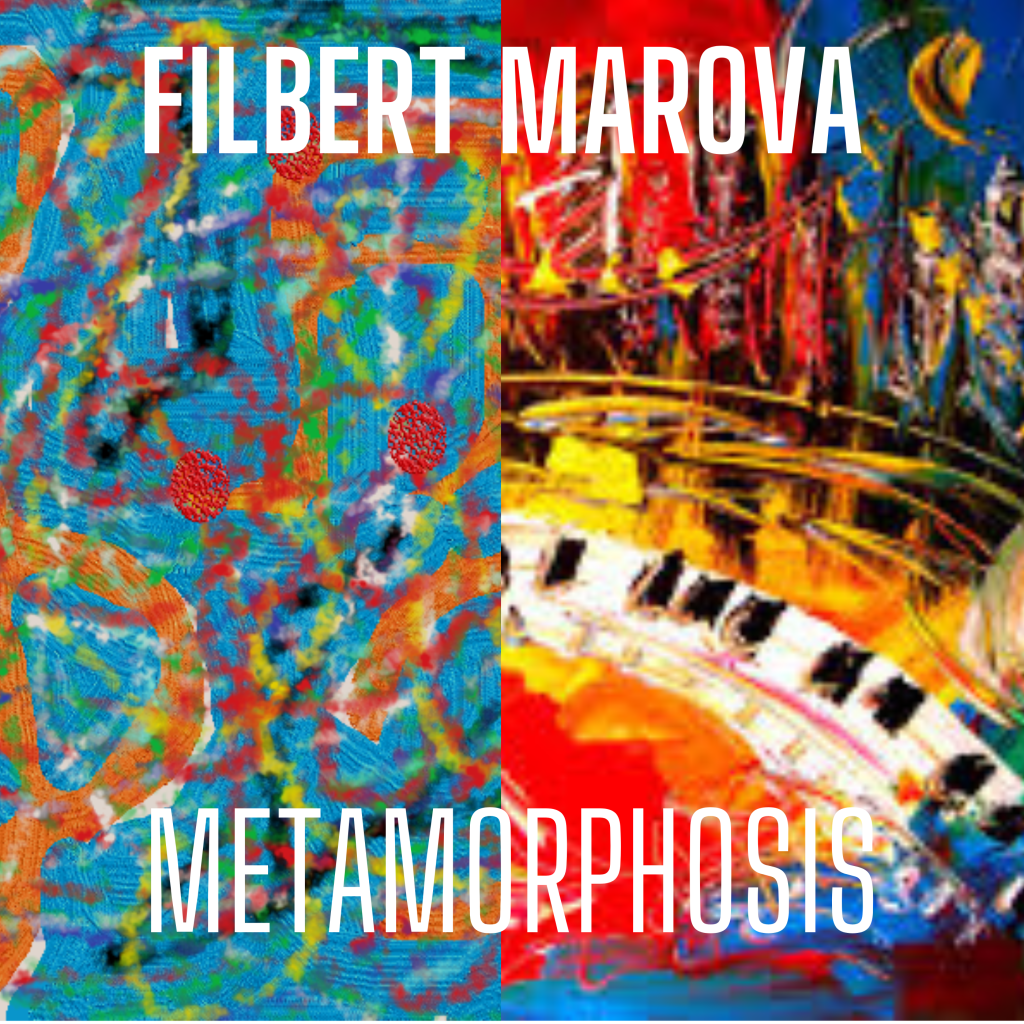
Nature’s Transformation, Musical Fusion: Filbert Marova’s ‘Metamorphosis’
Metamorphosis. The word itself evokes a sense of profound change, a radical transformation from one state of being to another. In nature, we witness this marvel most vividly in the life cycle of a butterfly – the humble caterpillar, earthbound and consuming, retreats into the quiet solitude of a chrysalis, only to emerge later as a creature of breathtaking beauty, winged and airborne. This process isn’t just a simple growth; it’s a complete reinvention, a biological alchemy that turns crawling into flight.
This natural wonder serves as a powerful metaphor for change and evolution in many aspects of life, including the arts. Here in Harare, we are anticipating a musical metamorphosis of our own with the upcoming release of Filbert Marova’s album, aptly titled ‘Metamorphosis’. Marova, a musician deeply respected for his mastery of the guitar, piano, mbira, the soul-stirring thumb piano central to Zimbabwean musical heritage, is embarking on a transformative journey, fusing its ancient, spiritual resonance with the vibrant, improvisational language of jazz.
Just as the caterpillar undergoes distinct stages, Marova’s music draws from two powerful, yet distinct, traditions. The mbira, with its intricate polyrhythms and deep connection to Shona culture and spirituality, represents one stage – grounded, historical, and resonant with ancestral voices. Jazz, born from a different continent and cultural experience, represents another – characterized by its harmonic complexity, improvisational freedom, and dynamic expression.
The ‘chrysalis’ stage, in this musical parallel, is the creative process itself – the period of intense experimentation, blending, and reimagining where these two distinct musical forms interact, influence, and reshape each other. It’s within this space that Marova, the artist, acts as the catalyst, guiding the transformation. He isn’t simply placing mbira melodies over jazz chords; he is weaving them together, allowing the call-and-response feel inherent in both traditions to converse, letting the mbira’s cyclical patterns find new dimensions within jazz harmonies, and infusing the improvisational spirit of jazz into the mbira’s voice.
The anticipated result, the ’emergence’, is Marova’s ‘Metamorphosis’ – an entirely new musical entity. Like the butterfly, it carries traces of its former self but exists in a completely new form. It promises a sound that is both deeply rooted in Zimbabwean tradition and refreshingly global in its outlook. It’s the sound of cultural conversation, of artistic evolution, of the beautiful potential that arises when different worlds collide and create something novel and exciting.
Filbert Marova’s upcoming album isn’t just a collection of songs; it’s a testament to the power of transformation. It reminds us that, like in nature, true innovation often comes from embracing change, from daring to fuse disparate elements, and from allowing something entirely new and beautiful to take flight. It’s a celebration of musical alchemy, a uniquely Zimbabwean metamorphosis set to unfold on the world stage.
-
Introducing Form in music
Introducing the concept of form in music can be done effectively using a variety of engaging and interactive methods. Here are some effective strategies to introduce form in music:
- Start with familiar examples: Begin by analyzing simple and well-known songs that students are likely to be familiar with. Popular children’s songs, nursery rhymes, or widely recognized folk songs can serve as excellent starting points.
- Focus on repetition and variation: Highlight the repetition of musical elements, such as melodies, rhythms, and harmonies, as the foundation of musical form. Demonstrate how repetition creates familiarity and unity, while variations add contrast and interest.
- Introduce musical symbols: Use standard musical notation or simplified symbols to represent different sections of the song. For instance, assign letters like A, B, or C to different sections to identify their repetition or variation.
- Incorporate movement and gestures: Engage students physically by encouraging them to move their bodies or use hand gestures to represent different sections of the song. This can help them internalize the structure of the music.
- Create visual representations: Use graphic organizers, charts, or diagrams to visually depict the form of the song. This can provide a clear and concise representation of the musical structure.
- Analyze contrasting examples: Compare songs with different forms, such as binary form (ABA) and ternary form (ABA’), to demonstrate the concept of variation in musical structures.
- Encourage musical exploration: Provide students with opportunities to analyze and identify the form of various songs independently or in group activities. This can foster self-discovery and deeper understanding.
- Connect form to other art forms: Draw parallels between musical form and the structure of narratives, poems, or other art forms to highlight the universal concept of organization and coherence.
- Utilize technology: Employ interactive music notation software or online tools to create visual representations of musical form and manipulate them for further exploration.
- Make it fun and engaging: Incorporate games, puzzles, or creative activities related to musical form to keep students engaged and motivated.
Mbiriano music is characterized by its complex rhythms, polyphony, and improvisation. It often evokes a meditative and uplifting atmosphere, transporting listeners to another world.Marova’s compositions seamlessly interweave the deep spiritual and healing qualities of mbira music with the energy and creativity of jazz, creating a sound that is both soothing and exhilarating.
Listen to Muvhuro, a Mbiriano track and figure out the form.
 Filbert Marova