Metamorphosis. The word itself evokes a sense of profound change, a radical transformation from one state of being to another. In nature, we witness this marvel most vividly in the life cycle of a butterfly – the humble caterpillar, earthbound and consuming, retreats into the quiet solitude of a chrysalis, only to emerge later as a creature of breathtaking beauty, winged and airborne. This process isn’t just a simple growth; it’s a complete reinvention, a biological alchemy that turns crawling into flight.
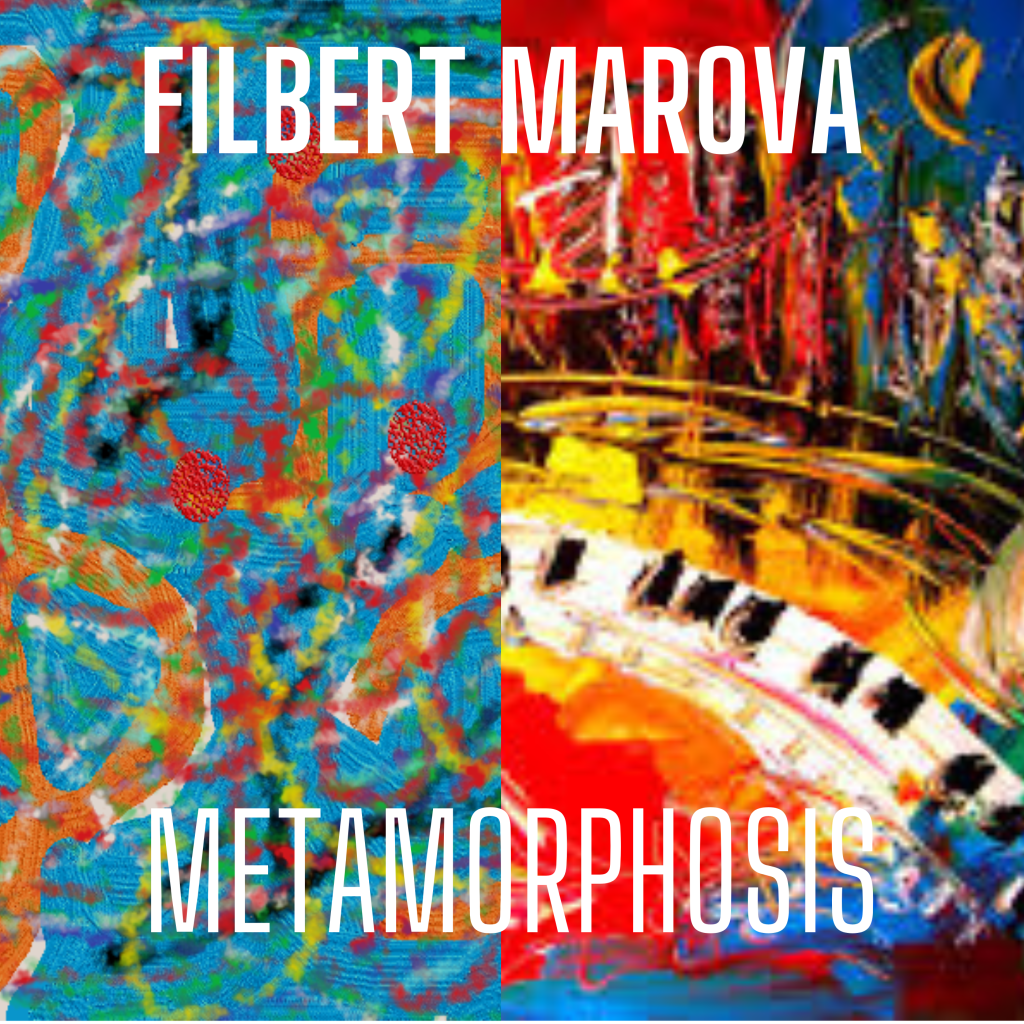
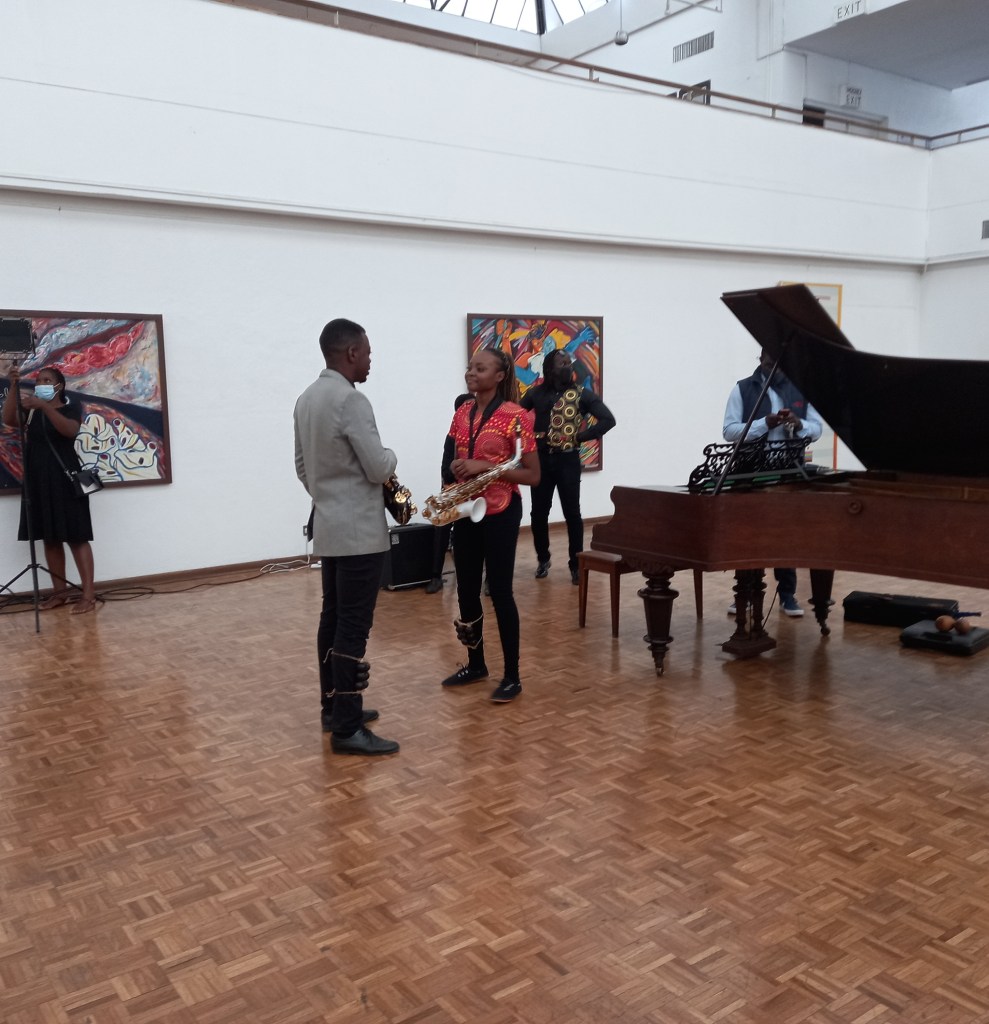
This natural wonder serves as a powerful metaphor for change and evolution in many aspects of life, including the arts. Here in Harare, we are anticipating a musical metamorphosis of our own with the upcoming release of Filbert Marova’s album, aptly titled ‘Metamorphosis’. Marova, a musician deeply respected for his mastery of the guitar, piano, mbira, the soul-stirring thumb piano central to Zimbabwean musical heritage, is embarking on a transformative journey, fusing its ancient, spiritual resonance with the vibrant, improvisational language of jazz.
Just as the caterpillar undergoes distinct stages, Marova’s music draws from two powerful, yet distinct, traditions. The mbira, with its intricate polyrhythms and deep connection to Shona culture and spirituality, represents one stage – grounded, historical, and resonant with ancestral voices. Jazz, born from a different continent and cultural experience, represents another – characterized by its harmonic complexity, improvisational freedom, and dynamic expression.
The ‘chrysalis’ stage, in this musical parallel, is the creative process itself – the period of intense experimentation, blending, and reimagining where these two distinct musical forms interact, influence, and reshape each other. It’s within this space that Marova, the artist, acts as the catalyst, guiding the transformation. He isn’t simply placing mbira melodies over jazz chords; he is weaving them together, allowing the call-and-response feel inherent in both traditions to converse, letting the mbira’s cyclical patterns find new dimensions within jazz harmonies, and infusing the improvisational spirit of jazz into the mbira’s voice.
The anticipated result, the ’emergence’, is Marova’s ‘Metamorphosis’ – an entirely new musical entity. Like the butterfly, it carries traces of its former self but exists in a completely new form. It promises a sound that is both deeply rooted in Zimbabwean tradition and refreshingly global in its outlook. It’s the sound of cultural conversation, of artistic evolution, of the beautiful potential that arises when different worlds collide and create something novel and exciting.
Filbert Marova’s upcoming album isn’t just a collection of songs; it’s a testament to the power of transformation. It reminds us that, like in nature, true innovation often comes from embracing change, from daring to fuse disparate elements, and from allowing something entirely new and beautiful to take flight. It’s a celebration of musical alchemy, a uniquely Zimbabwean metamorphosis set to unfold on the world stage.
 Filbert Marova